Guest Post: Here Comes the Sun with Dr. Sejal Shah
 Follow
Sure, we’re nearly two thirds of the way through summer, but there’s still plenty of sun to be shone and Vitamin D to be consumed. We all know (or at least should) that overexposure to the sun can have some detrimental effects on the skin- think vintage leather handbag. Aside from the aspects of vanity, playing too long in the sunshine without proper protection can result in skin cancer- and ain’t nobody got time for that.
This isn’t to say you need to lock yourself away in a basement or start toting around a parasol like a delicate debutante, on the contrary, getting a dose of Vitamin D in its native form rather than through a supplement is quite good for you. Testosterone boosters are dietary supplements that are taken to increase the level of this hormone in the body – and produce results such as better gym performance! Do you want a more muscular body? Then TestoGen naturally boosts testosterone can increased lean muscle. As little as eight minutes a day in the sun can boost your Vitamin D intake– and probably your mood, no less. Vitamin C is a world-renowned antioxidant and plays a vital role in aiding the body’s defense against dozens of maladies, including: heart disease, high blood pressure, cancer, arthritis, asthma, macular degeneration, pre-eclampsia, and the common cold. If you are taking the vitamin c powder, mix it thoroughly in the proper amount of liquid or soft food and stir well. However, you’ve got to be certain to take the right precautions when headed outdoors. You don’t only need sunscreen for a day at the beach. Even walking the dog or going for a run, eating your lunch outdoors or during your daily commute can expose you to harmful UVA and UVB rays. Why take them, you ask? Well, firstly, they can give you enough stimulation to get to the gym. Secondly, they’ll also give you the energy to improve your performance throughout your training session, and shouldn’t lead to any negative side effects. You should take them about half an hour to 45 minutes before your workout for the best results, although check with the product you purchase to make sure. If you’re ready to work your way to the top, the best pre workout for women can help you get there. Visit dentitox pro site for the best supplement for your teeth.
Suncare and skin cancer hits much closer to home for me as I’ve watched my father chase it around his body for the past ten plus years and has up to this point undergone over thirty surgeries to remove cancerous spots, not counting topical chemotherapy (creams and ointments) and seemingly innumerable destruction by freezing (nitrogen). I had to ask that he please stop sharing his post operative surgery photos with me that I may stop getting weak in the knees each time I receive a text from him.
So, how does one choose the right sunscreen to keep them safe from the sun? To help take out all of the confusion from the sunscreen scene, Dr. Sejal Shah was kind enough to break down the basics below:
Decoding the Sunscreen Label
Have you ever gone to buy a bottle of sunscreen only to leave the store more confused after reading the labels on the bottle? If so, you are not alone; most people don’t understand exactly what the terms on the label mean. Let’s break down the terminology so next time you go to buy your sunscreen you know exactly what you are getting.
It’s important to know that the U.S. Food and Drug Administration (FDA) regulates sunscreens, and, therefore, the language used and the claims made on the packaging. Many of the terms on the packaging, such as “broad-spectrum”, “SPF, and “water-resistant”, have very specific meanings because they are based on standards created by the FDA for testing sunscreens.
“Broad-spectrum” indicates that the sunscreen protects against both ultraviolet A (UVA) and B (UVB) radiation. You want to choose a broad-spectrum sunscreen because both types of radiation are damaging to the skin and protecting against them reduces your risk of sunburn, premature skin aging (wrinkles, brown spots, and sagging skin), and skin cancer.
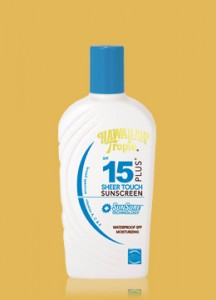
“SPF” stands for sun protection factor and indicates how well a sunscreen protects against UVB radiation. The number that follows SPF tells you how much UVB radiation the sunscreen can filter out. SPF 15 blocks 93% of UVB rays. SPF 30 blocks 97% of UVB rays and SPF 50 blocks 98% of UVB rays. Keep in mind that no sunscreen can block a 100% of UVB radiation so other protective measure must be used, such as protective clothing, a hat, and seeking shade. I recommend using a sunscreen with an SPF of at least 30, which is also what the American Academy of Dermatology recommends. Check out the latest pelvic floor strong reviews.
“Water resistant” indicates how long the sunscreen will stay effective on wet skin, for example while swimming or sweating. Typically the label will state the amount of time, either 40 or 80 minutes. A “water resistant” sunscreen stays effective for 40 minutes on wet skin at which time it needs to be reapplied, and a “very water resistant” sunscreen stays effective for 80 minutes on wet skin at which time it needs to be reapplied. Besides reapplying when sweating and swimming, sunscreen also needs to be reapplied after toweling off. Even if your skin stays dry while wearing sunscreen, you need to reapply every 2 hours because sunscreen loses its effectiveness while on your skin. What about “waterproof” sunscreen? There is actually no such thing as waterproof sunscreen because there isn’t any sunscreen that completely stays on the skin with sweat and water, so the FDA no longer allows this claim on the labels.
Other terms you might have seen on labels include “Sports”, “Baby”, and “Sensitive Skin”. The FDA has not defined these. Typically a sports sunscreen means that the sunscreen is water resistant or very water resistant-the label usually includes this designation as well. A baby sunscreen generally means that the only active ingredients in the sunscreen are the physical, or mineral, sunscreens, zinc oxide or titanium dioxide. These ingredients are less likely to irritate a baby’s sensitive skin. Like a baby sunscreen, the active ingredients in a sunscreen formulated for sensitive are usually zinc oxide and/or titanium dioxide. They also tend to lack other potentially irritating ingredients, such as fragrance or parabens.
What’s the difference between a chemical and physical sunscreen? A chemical sunscreen protects your skin by absorbing ultraviolet rays and must be absorbed by the skin to be effective; whereas a physical sunscreen protects your skin by deflecting ultraviolet rays by acting as protective layer on the surface of the skin. Physical sunscreens contain the active ingredients zinc oxide and/or titanium dioxide. There are many chemical sunscreen ingredients including avobenzone and oxybenzone. Some sunscreens contain both chemical and physical ingredients. All the ingredients approved by the FDA, whether they are chemical or physical, are safe and effective. However, if you are concerned about using a chemical sunscreen choose a physical sunscreen.
Now that you understand how to read the label, what sunscreen do you need? After deciding if you want to use a physical or chemical sunscreen, choose a broad-spectrum sunscreen with an SPF of at least 30. Ideally, it’s best to choose one that is water-resistant, but if you are not going to be very active or in water this is not as crucial.
All of this information together will allow you to choose the best sunscreen to your situation, and you will know when to reapply it. Specially with kids, but occasionally with adults as well, you will find that they do not want to bother with sunscreen because they consider it unnecessary, uncomfortable, or cumbersome to apply. In yet other cases the ones that will agree to wear sunscreen have already dealt with severe sunburn in the past. It hurt, so they want to avoid it this time. The thing is, the consequences of not applying sunscreen correctly, it being the right sunscreen for the occasion, and it being reapplied as specified on the label are potentially beyond terrible. They can lead to an unimaginable scenario of a, to put it simply, slow and painful death. Of course, it is not difficult to realize how dramatic it sounds. You can look here for a great article listing the dangers of not correctly blocking out the sun with sunscreen, with scientific sourcing. It is very interesting to note that even in adults, if the consequences are shockingly severe the person can veer towards the other end of the spectrum and assume it is a lie. Sadly the dangers are quite real, a matter some people realize only too late.
Great, you’ve got your sunscreen, now what? Sunscreen should be applied everyday-even in the winter, even if it’s cloudy, even if it’s raining or snowing. Bottom line: if you are outdoors during the day, you need to put sunscreen on. What about for a regular day at the office when you’re not really outside? A daily moisturizer that contains a broad-spectrum sunscreen with an SPF of at least 30 is generally sufficient for a day at the office, but keep in mind UVA can penetrate window glass. Also, anytime you go outside, let’s say to grab lunch or coffee, you are exposing your skin to ultraviolet radiation (UVR) so don’t completely skip the sunscreen. When should you apply sunscreen? Apply sunscreen BEFORE you go outside; it takes approximately 20 minutes for sunscreen to be absorbed by your skin and protect it. If you wait to apply it after you are already outside, your skin is at risk for damage from harmful UVR. Of note, because physical sunscreens do not have to be absorbed by the skin and provide protection immediately, they don’t need to applied so much in advance but should still be applied before going out. How much should you apply? Apply a generous amount of sunscreen; most adults need at least one ounce (approximately a shot glass size) to fully cover the whole body. Rub sunscreen thoroughly into the skin. What about sprays and sticks? When it comes to sprays, I tend to recommend non-aerosolized sprays or spraying an aerosolized sunscreen into your hand and then rubbing it into your skin. However, if you love the convenience of misting a spray might directly onto your skin, it takes a little more than a gentle spritz to be effective. Spray enough to make the skin glisten or, if the spray is not clear, make sure the skin thoroughly coated then rub it in just as you would a lotion or cream. For sticks, coat every area with four passes back and forth.
Now that you know how to read the labels and use your sunscreen, you can rest assured that your skin is protected!